05Angle · Direction · Slits
Controlling Angle, Direction, and Density Requires Recipient-Site Slits
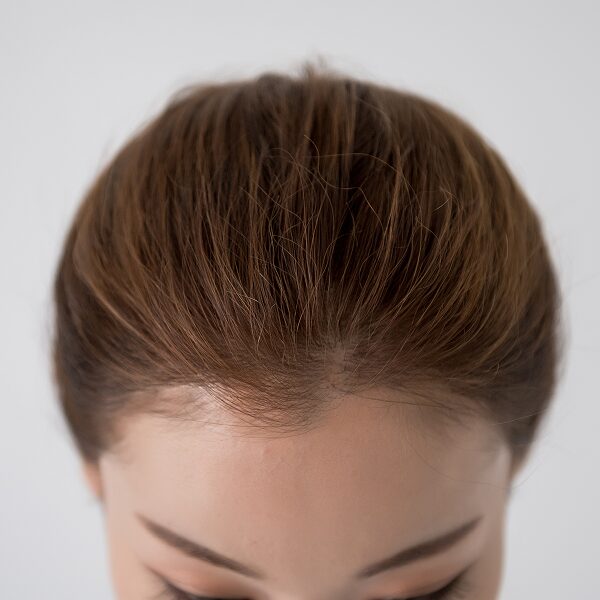
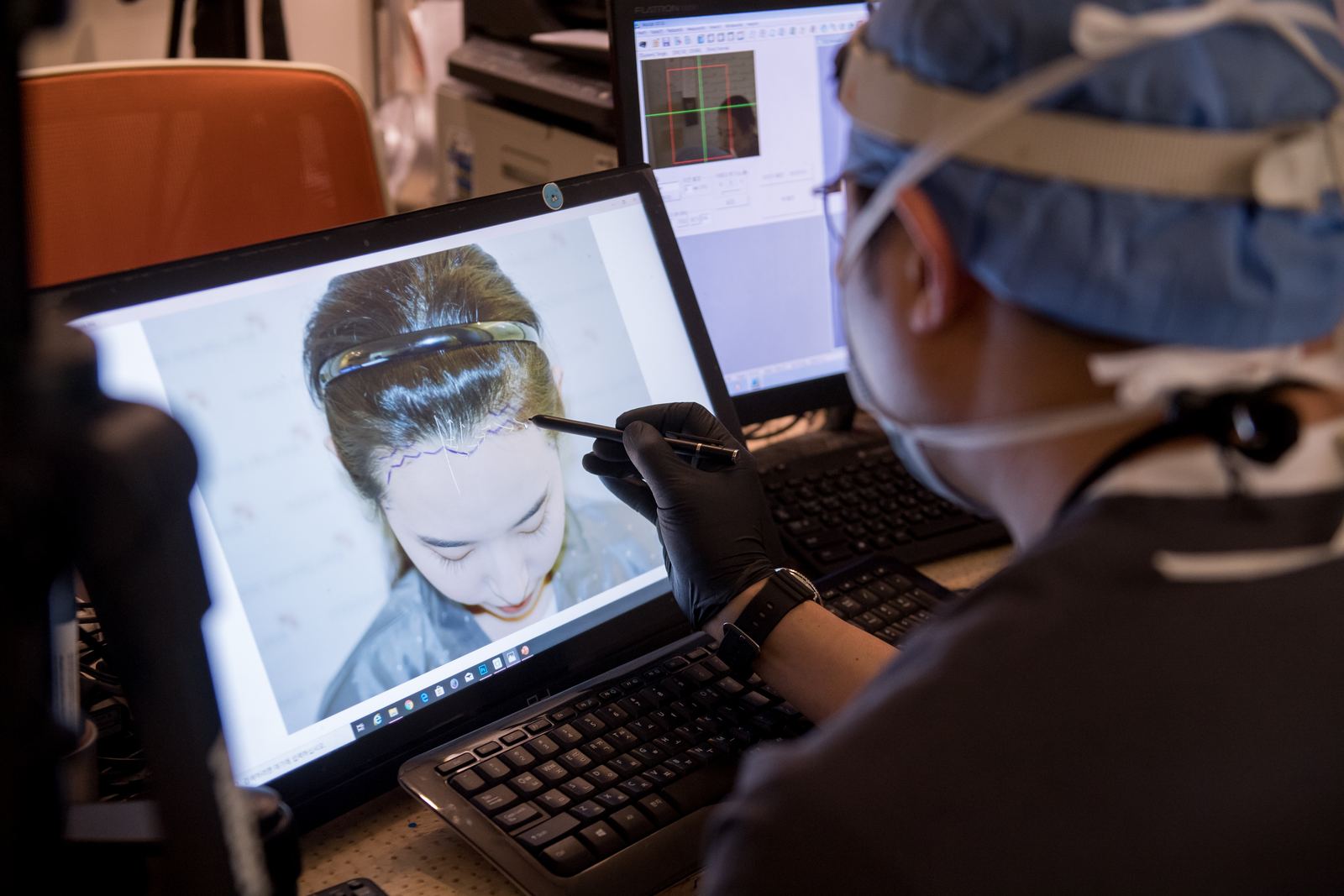
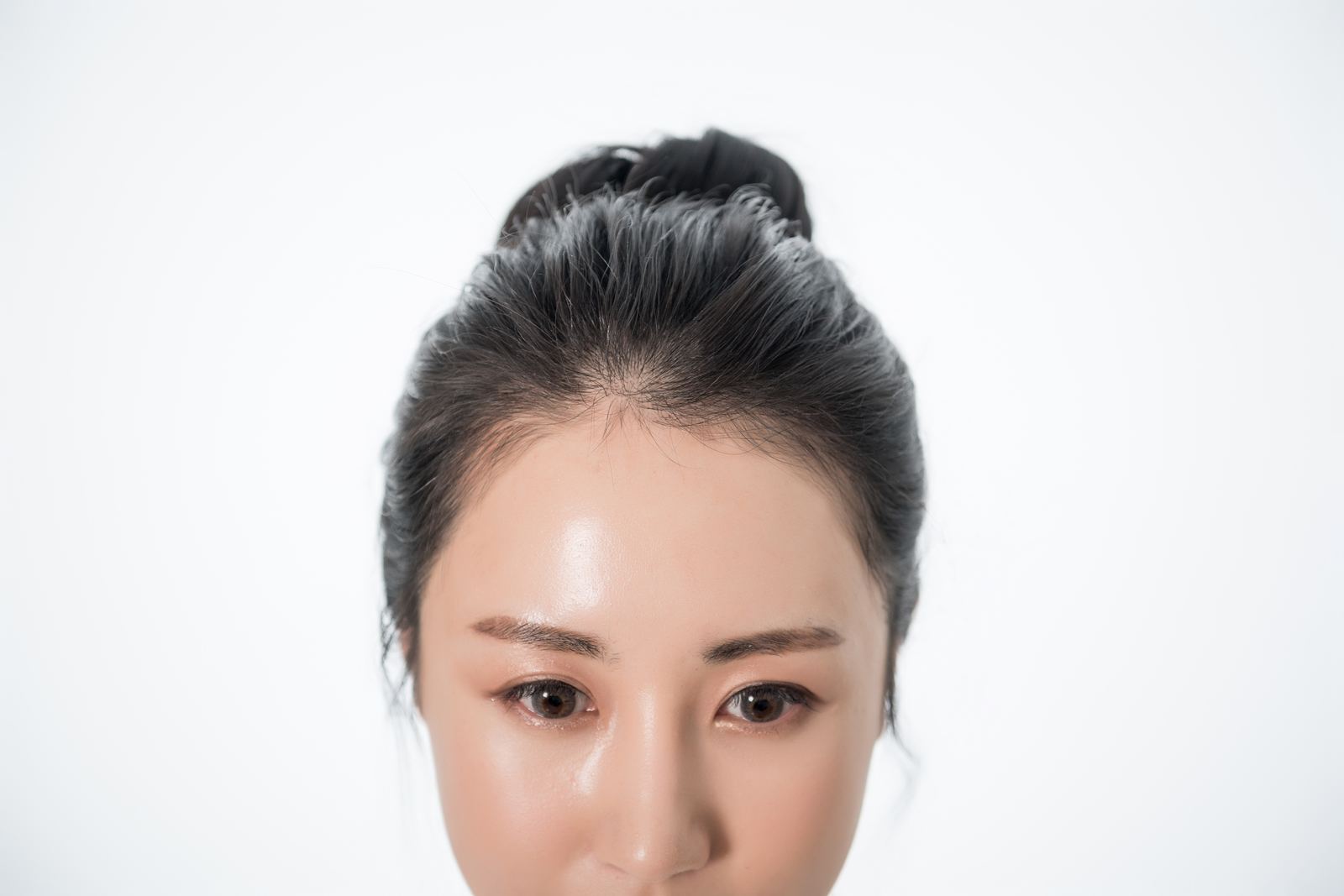
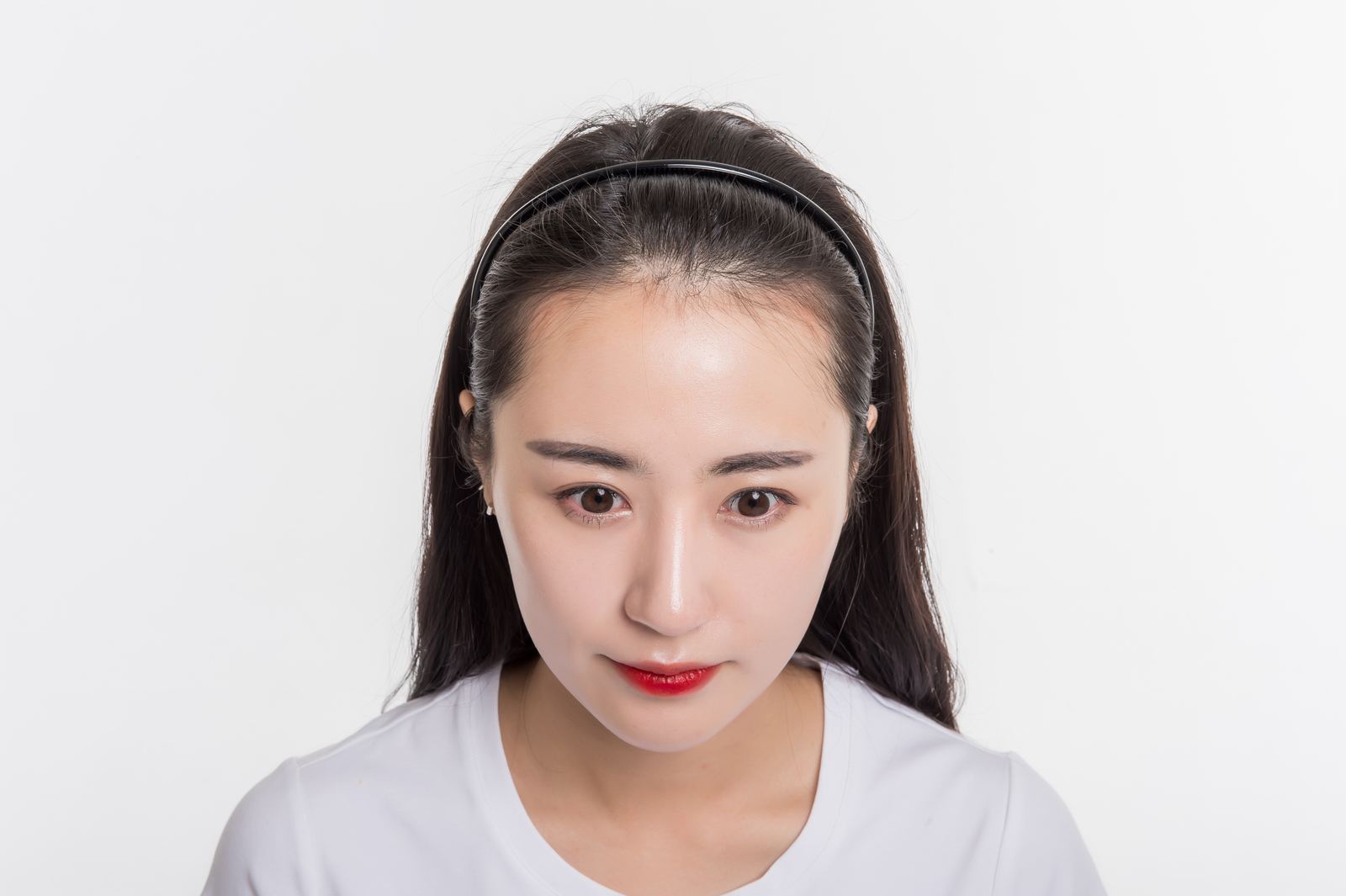
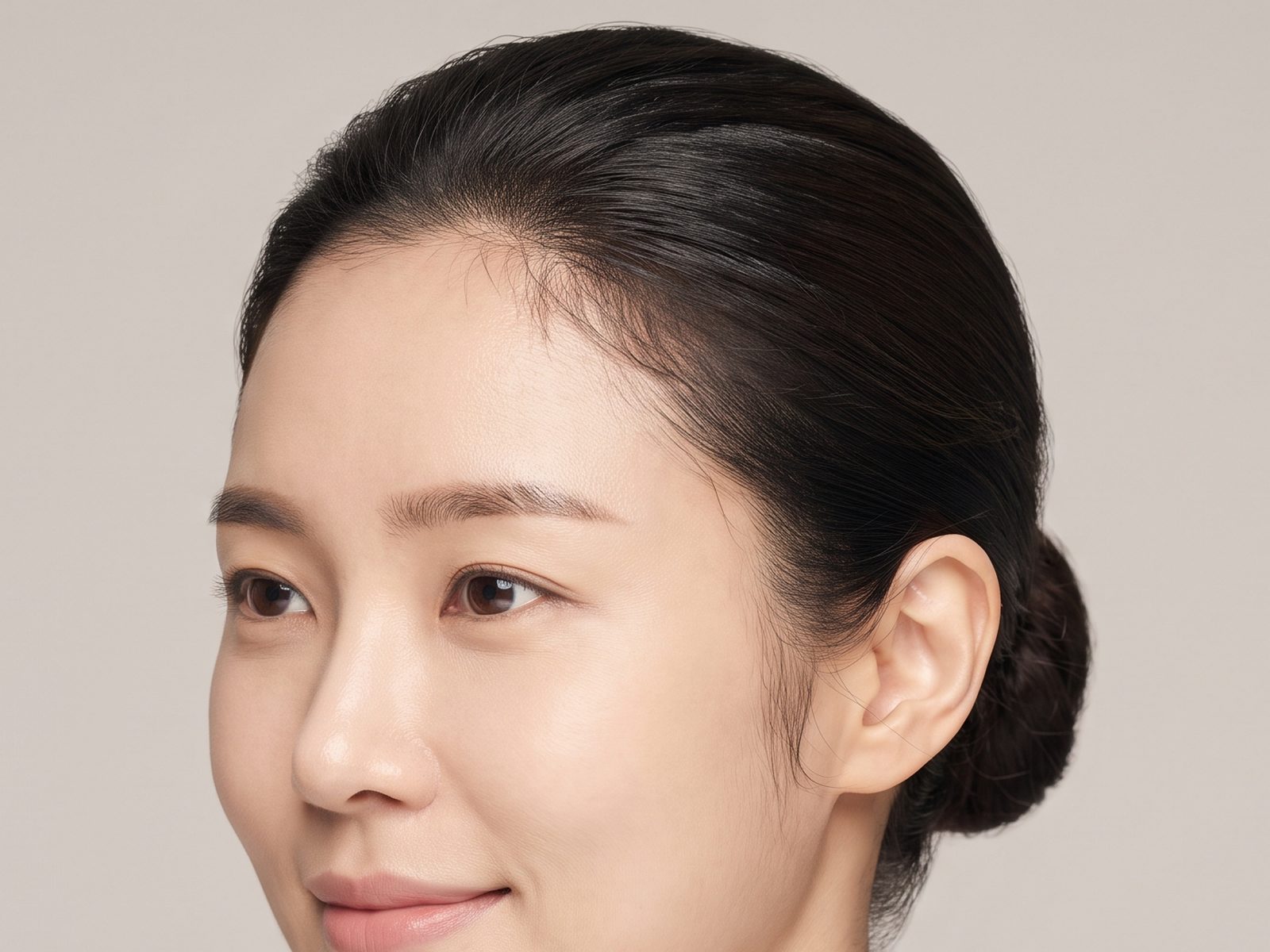
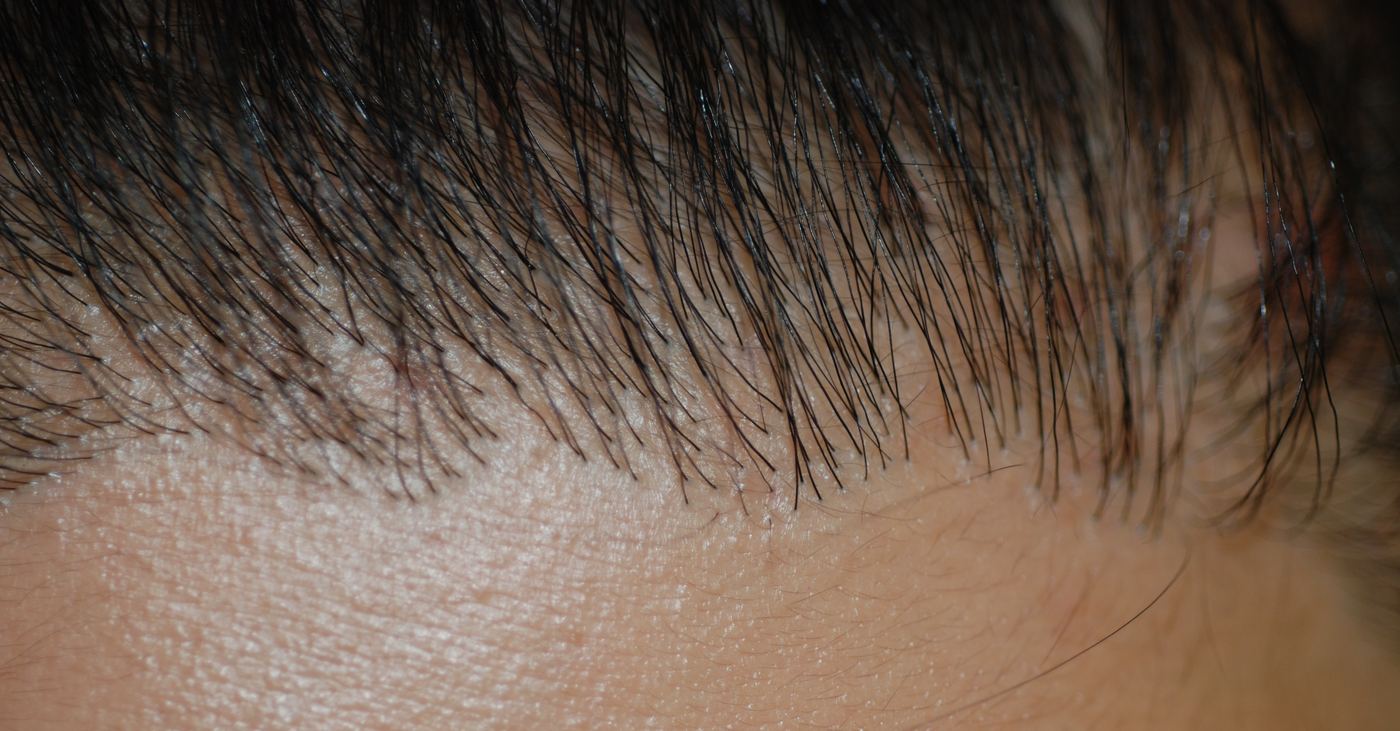
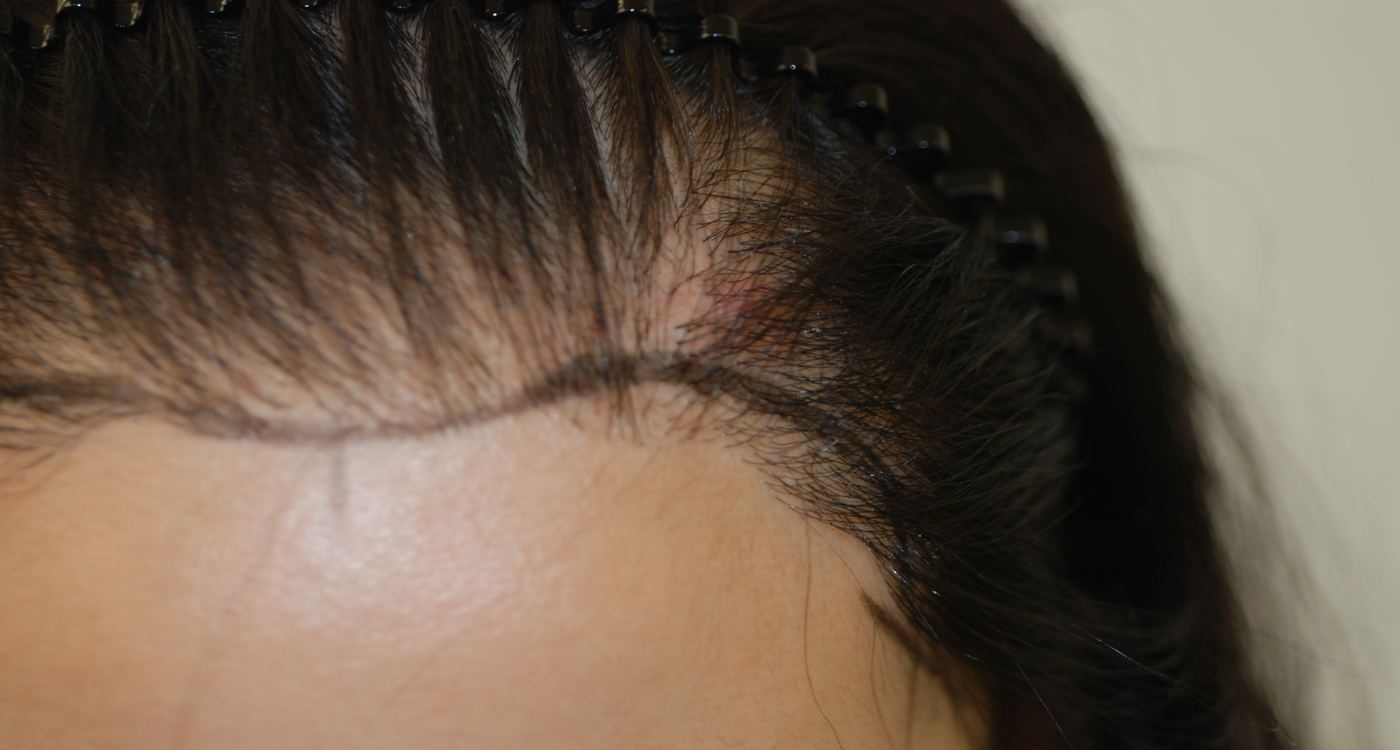
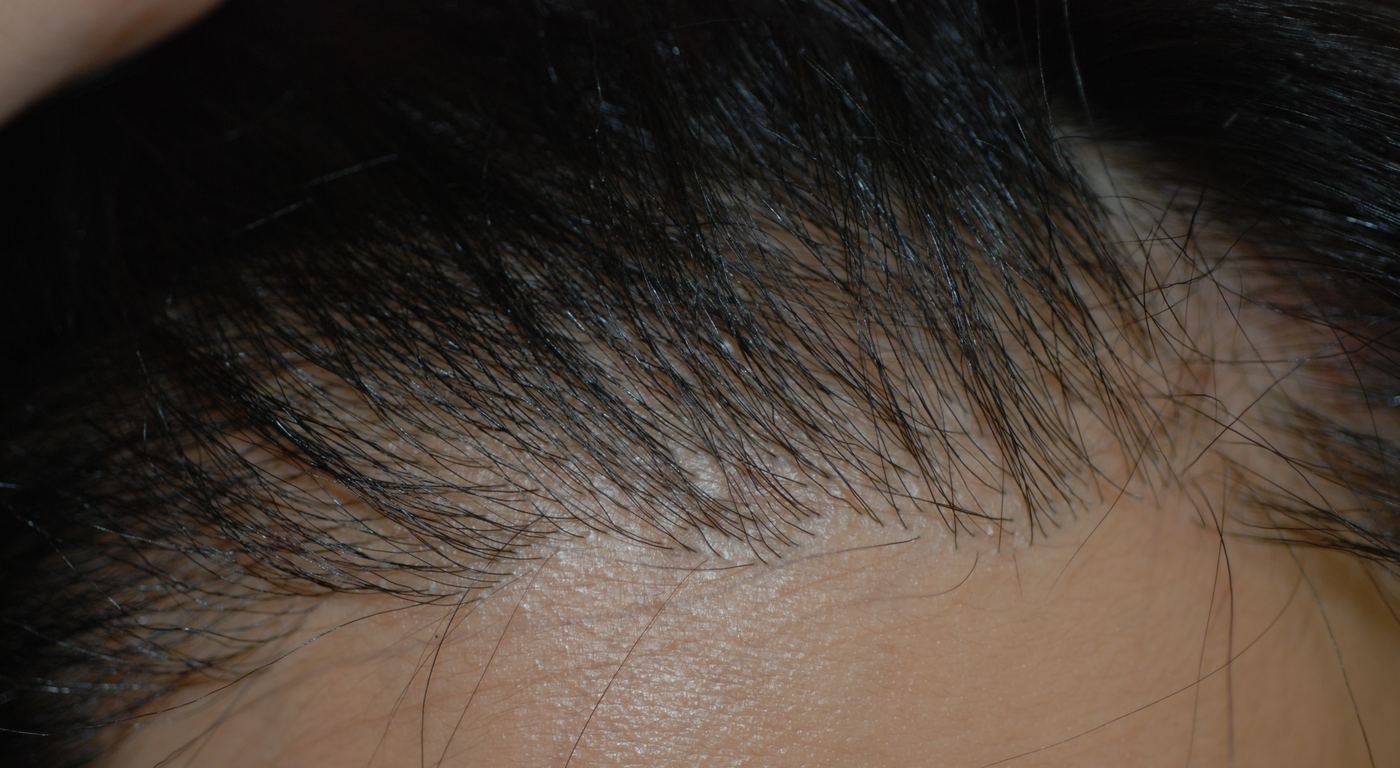
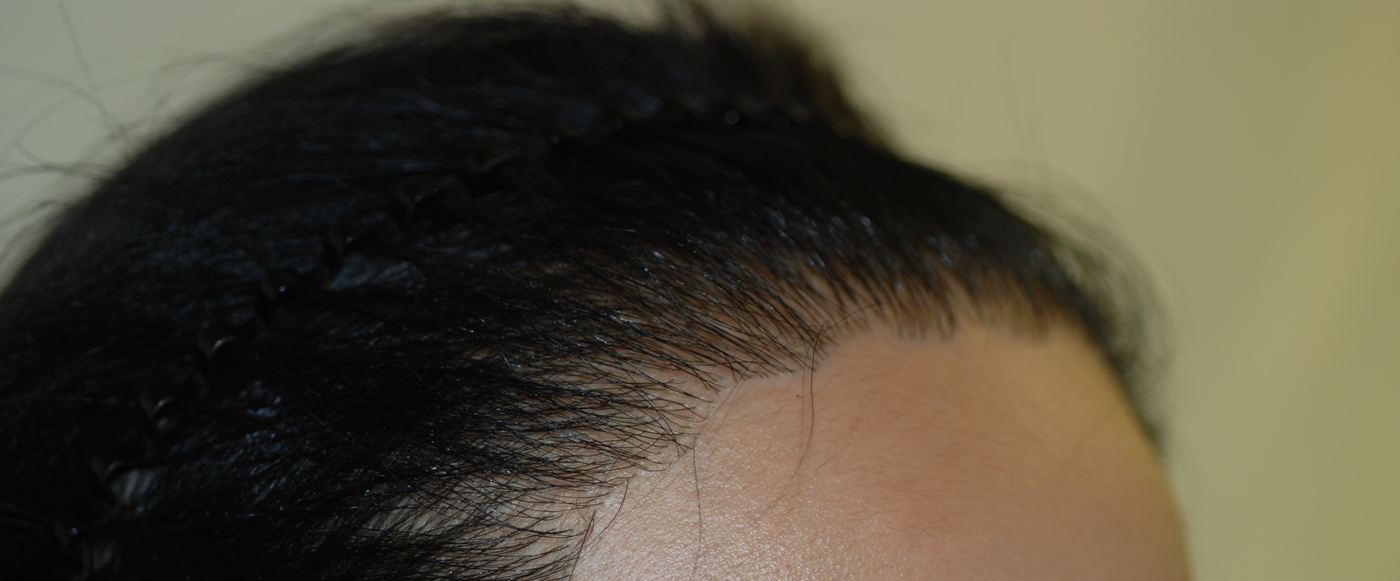
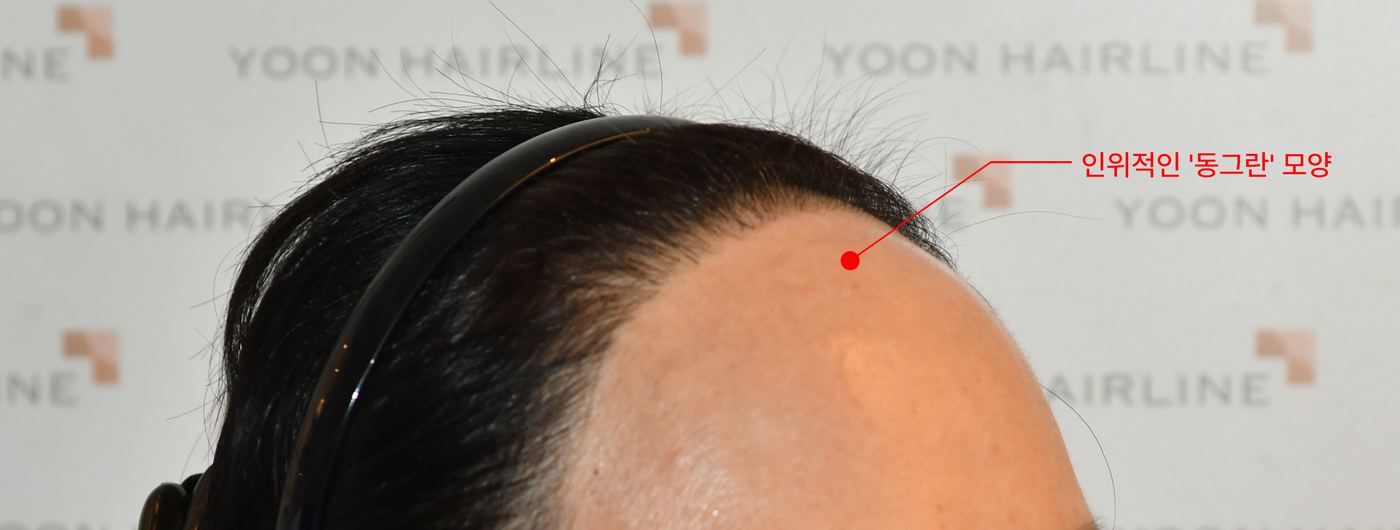
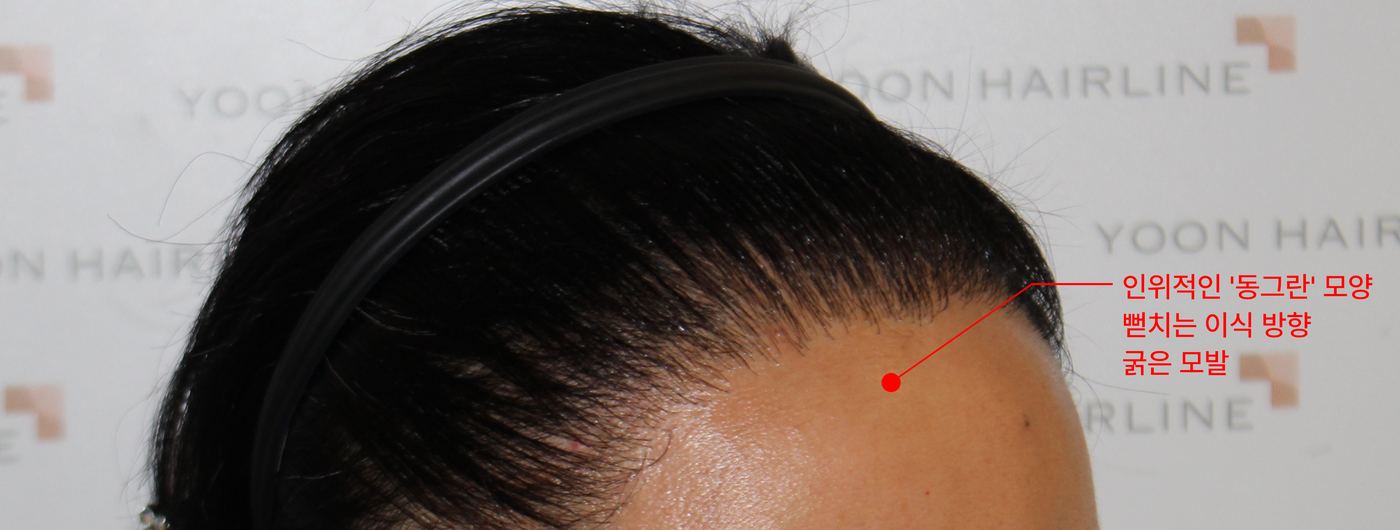
Hairs along the front of a female hairline grow at a very low, acute angle lying close to the scalp—achieving precise control over that angle, direction, and density requires recipient-site slits rather than implanters.
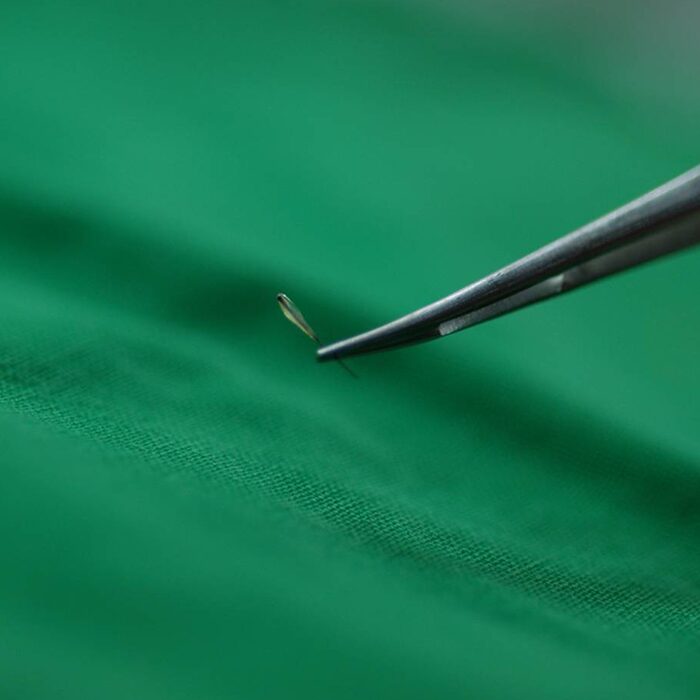
Dr. Sung Jae Yi has adhered exclusively to the recipient-site slit technique for over 20 years. Slits allow follicles to be placed at the exact flat angle incised by the blade, whereas implanters are limited in how flat an angle they can achieve due to needle barrel thickness and carry a higher risk of graft “popping” or follicular trauma.
Above all, because Dr. Sung Jae Yi places follicles into the slits personally, every single follicle passes under his direct visual inspection—if any follicle is even slightly too thick or too thin for a given spot, it is exchanged on the spot.
Angle and direction are never uniform. While textbooks list anterior hairline angles of 45–60°, Dr. Sung Jae Yi places grafts at a flatter angle—keeping the exact degree proprietary—and subtly varies angle and direction according to hair shaft caliber even within the same zone, because if fine and coarse hairs stand at the exact same angle, the coarse hairs stand out noticeably.
Once implanted, hair angle cannot be undone—which is why Dr. Sung Jae Yi relies exclusively on a technique that gives complete surgical control.
Reference — Graft survival in high-density transplantation using the lateral slit technique (Nakatsui T, Dermatol Surg. 2008, et al.). General discussion of surgical technique; individual results vary.