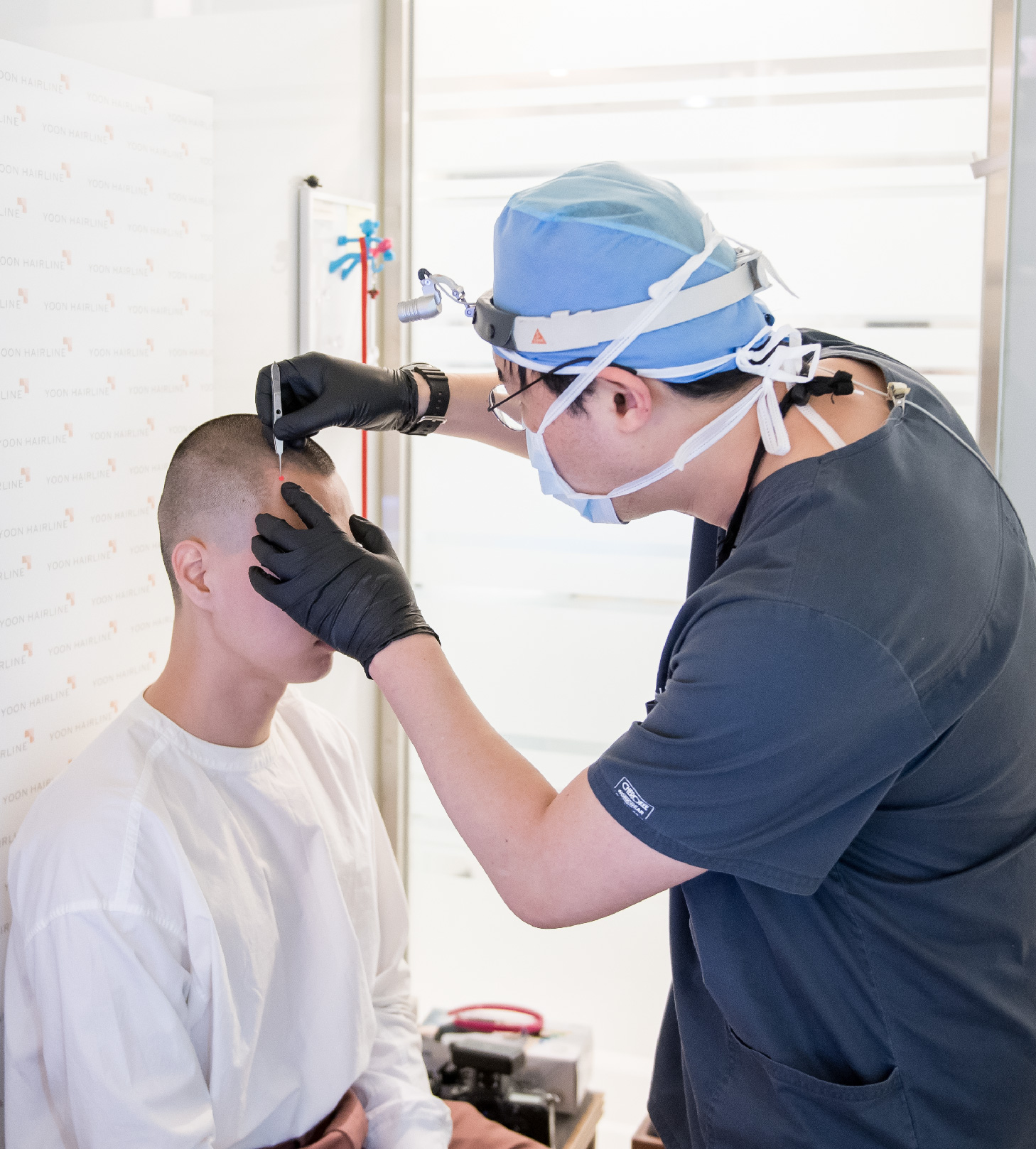
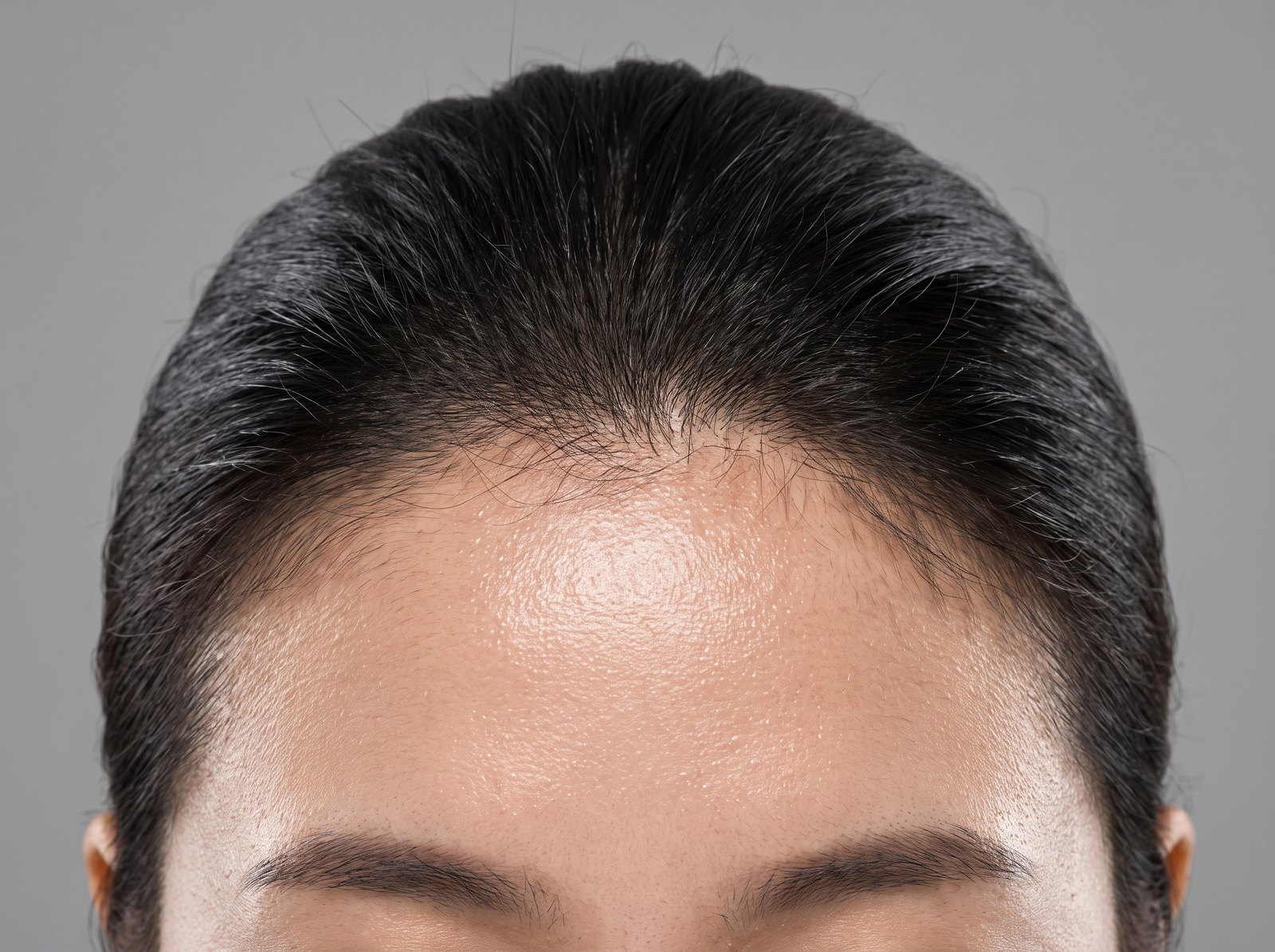
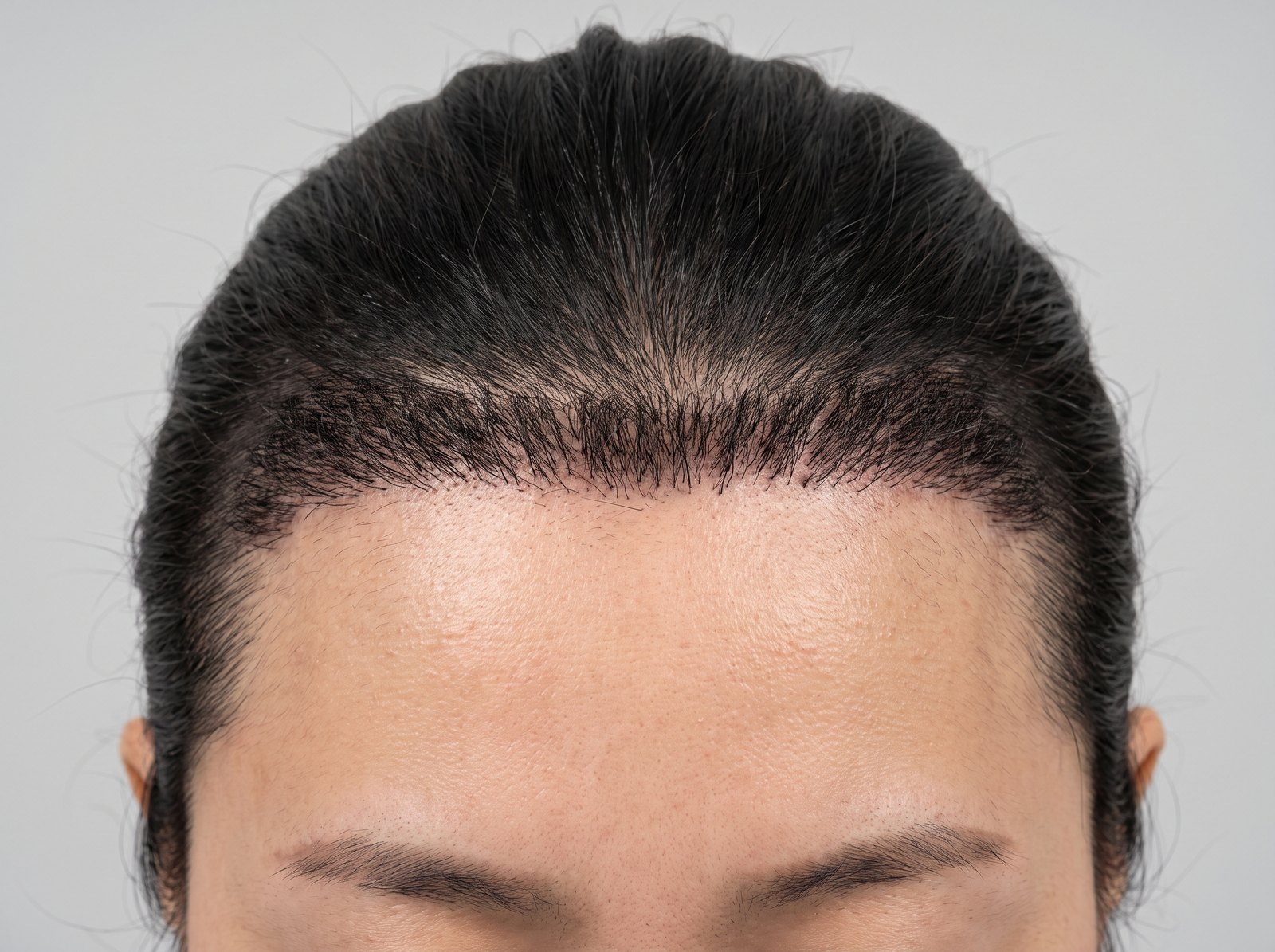
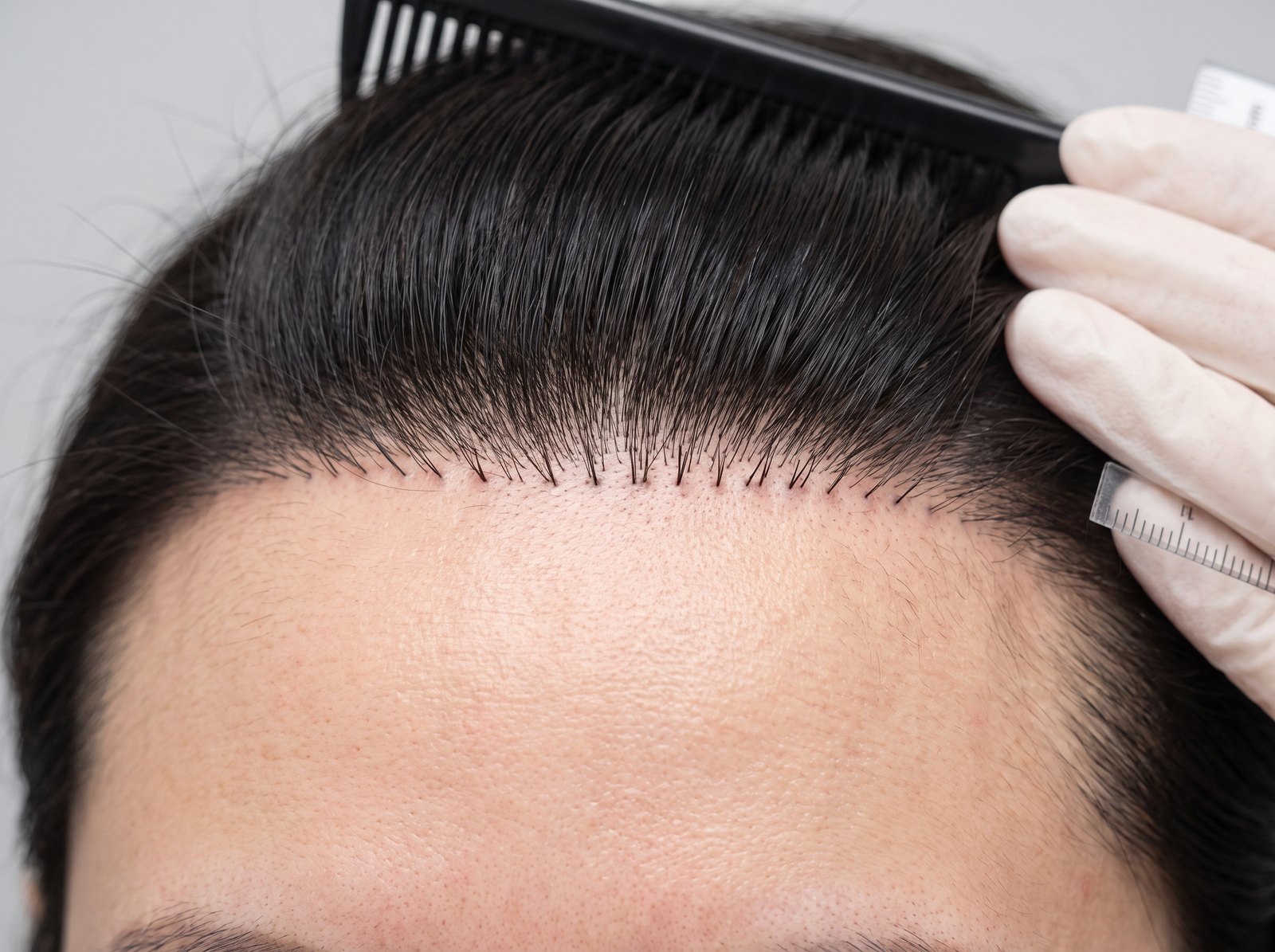
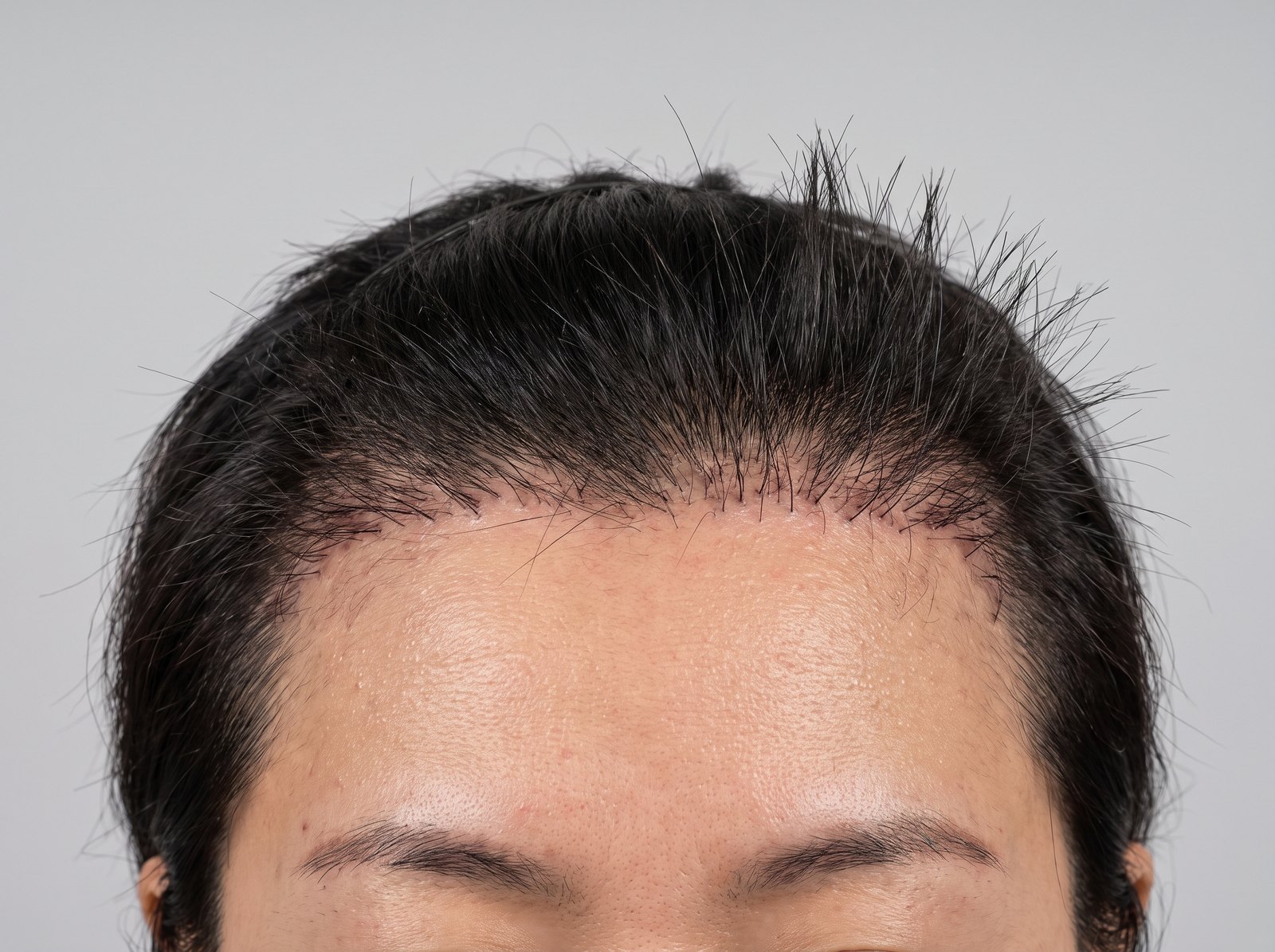
Evaluating unnatural areas of the hairline using magnified diagnostic optics during a revision consultation
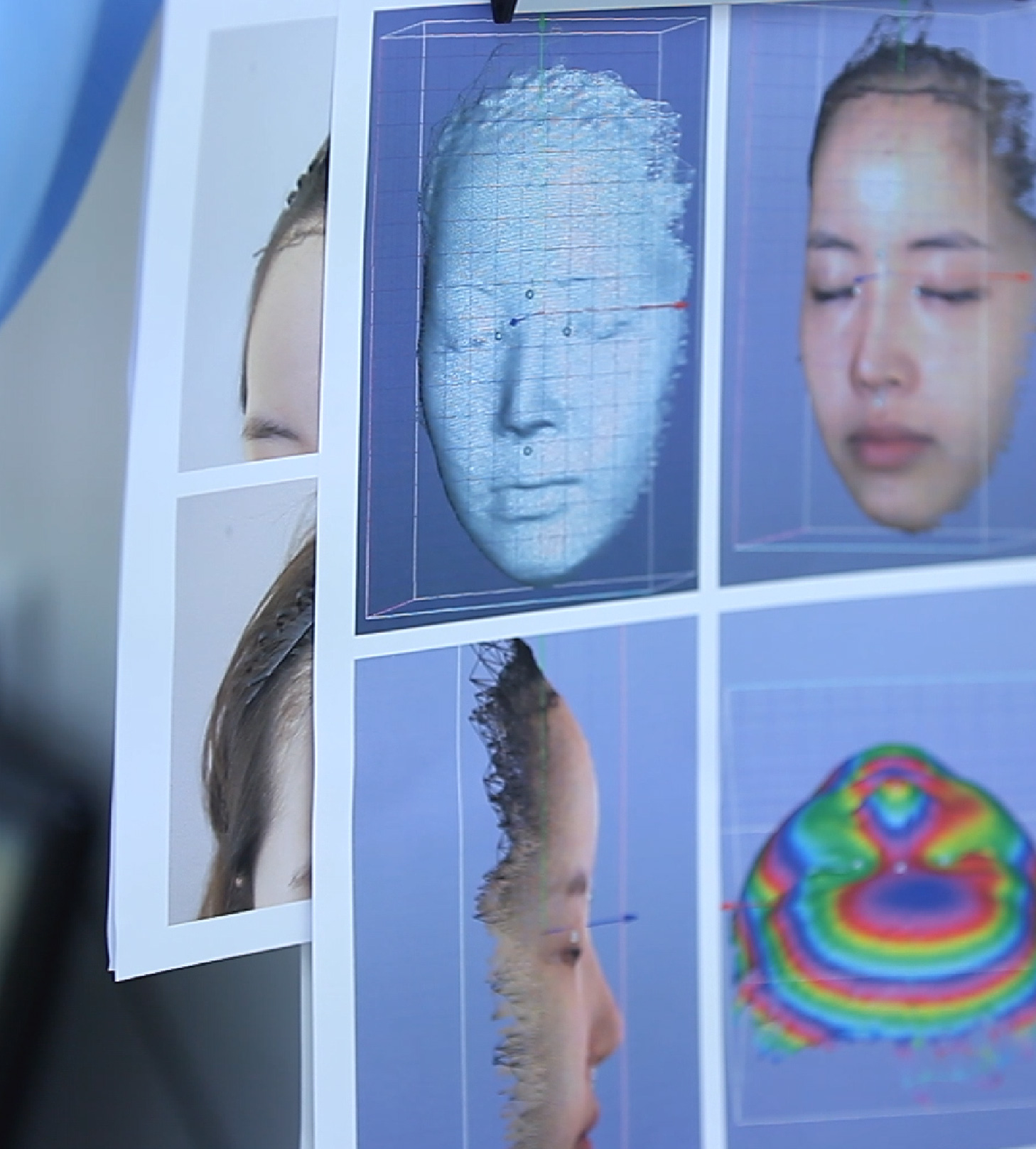
Screen analyzing facial and forehead contours via 3D scanning
Assessment
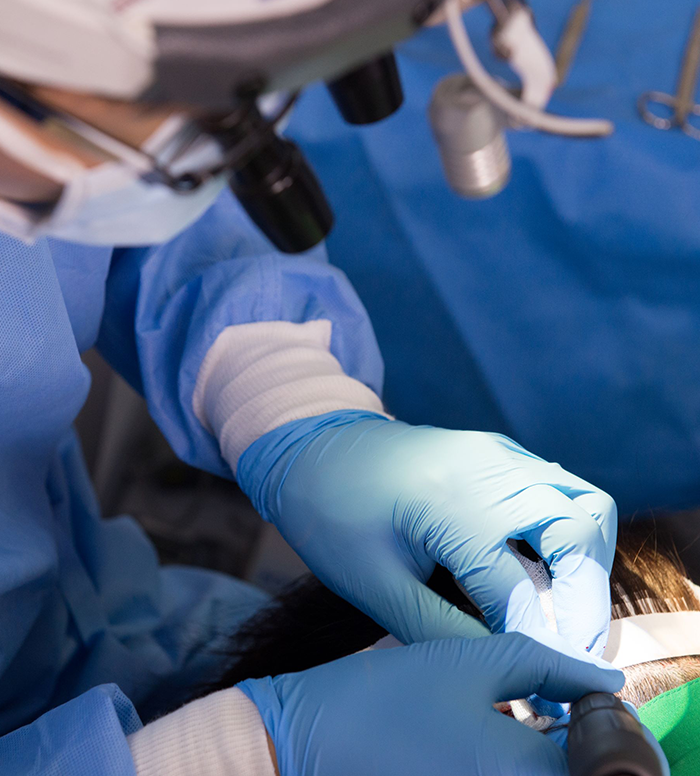
Revision surgery scene placing follicles into recipient-site slits
Implant-First Revision
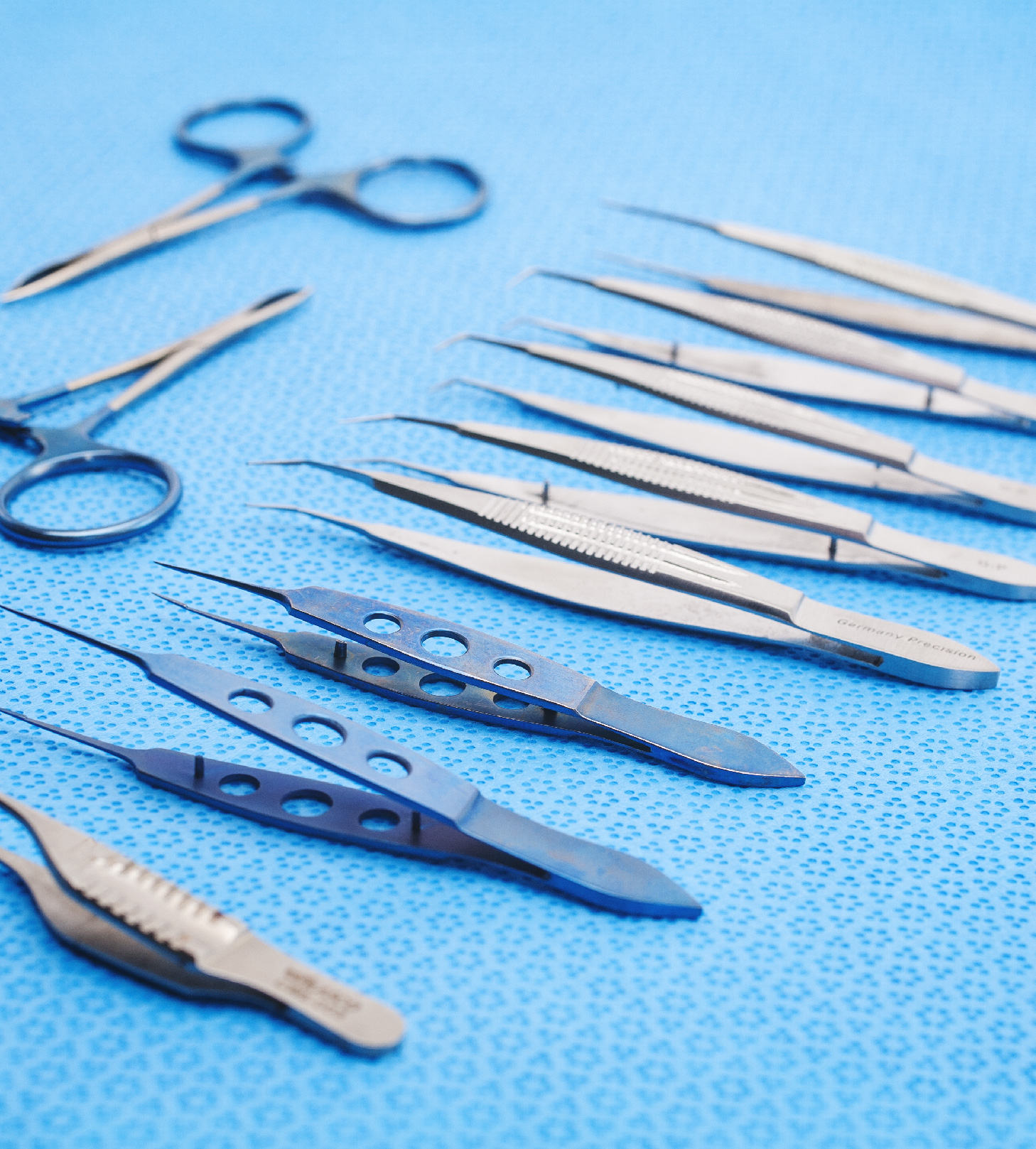
Precision surgical instruments used in revision hair transplantation
Correction

REVISION PROCESS

Hair Transplant Revision Process— From diagnosing what looks unnatural to deciding what comes first

Revision hair transplantation is not about simply filling empty gaps—it is reconstructive corrective surgery that reverses an unsatisfactory result, starting with pinpointing exactly what looks unnatural and choosing between two surgical pathways based on severity.

  • STEP 0 · Assessment
  • Conventional Revision · Removal First
  • Implant-First Revision · Grafting First
  • Female Hairline Revision Surgery
2 PathwaysDistinct Revision Sequences
Based on Severity
4 WeeksScalp Healing Interval
After Conventional Removal
2 WeeksGraft Engraftment Check
After Implant-First Grafting
2018Presented Implant-First Revision
at PRS KOREA
15+ yrsDedicated Experience
Performing Revision Cases
22 yrsBoard-Certified Plastic Surgeon
Start-to-Finish Care

01Why Revision Is Different

Revision Surgery Is Not Filling Gaps—It Is Reversing an Unsatisfactory Result

Revision hair transplantation is not a straightforward primary transplant into bare skin; it requires correcting an already-implanted hairline shape, hair angle, and shaft caliber—making it far more demanding than a first procedure, where deciding what to remove comes before deciding what to implant.

Scalp Tissue Damaged by Rough Implantation

When hairline design looks unnatural, surgical execution is often compromised as well—rough placement with implanters leaves significant scalp trauma, and damaged tissue yields lower graft survival even when healthy follicles are implanted.

The Second Mistake: Simply Adding More Density

Packing more grafts using the exact same approach without diagnosing why the first procedure looked unnatural only compounds the artificial appearance and makes subsequent restoration even harder.

Chief Director personally examining a patient's hairline during a revision consultation
STEP 0 · Assessment

02STEP 0 · Assessment

The First Step of Revision Is Not Surgery—It Is Pinpointing What Looks Unnatural

Every unnatural appearance has a specific underlying cause, and identifying that cause accurately determines what should be extracted, what should be preserved, and what should be newly implanted.

Using magnified diagnostic optics and 3D scanning, Dr. Sung Jae Yi inspects every zone of the hairline—checking hairline shape and height, front-row hair caliber, whether multi-hair follicular units were placed along the front edge, whether hairs stand upright or splay outward, how much scarring and scalp trauma remain, and how much reusable donor hair remains at the back of the head.

The degree of unnaturalness determines the surgical sequence.

  • Hairline DesignHeight, contour, and left-right balance—whether it appears ruler-straight or artificially round
  • Angle & DirectionHairs standing upright or splaying upward instead of lying flat forward against the scalp
  • Shaft CaliberCoarse hairs placed along the very front row and borders lacking fine (vellus-like) hairs
  • Follicular UnitsWhether 2-hair or 3-hair follicular units were placed along the front row instead of single-hair units
  • Scalp ConditionScarring, tissue trauma, and blood supply affected by implanters or rough extraction
  • Remaining ReservesReusable hair remaining in the occipital donor area—especially fine hairs
Inspecting scalp and hair condition with magnified diagnostic optics
Magnified Evaluation
Screen analyzing three-dimensional facial and forehead structure via 3D scanning
3D Scanning
Chief Director personally verifying the three-dimensional hairline design
Direct Evaluation by the Chief Director

AConventional Revision

When Unnaturalness Is Severe — Remove First, Then Implant in Two Stages
Tap each stage to see how the scalp cross-section changes

This is the established conventional approach: when too many misplaced hairs crowd the front edge, grafting over them will never look natural, so they are extracted first to clear space for a new design—though because first-stage implantation enters tissue freshly wounded by extraction, graft survival is lower, making a second stage necessary.

  1. Removal of Misplaced Hairs
  2. ~4 Weeks of Healing
  3. First-Stage Implantation
  4. 4–6+ Months
  5. Second-Stage Implantation

Medium Caliber in Stage 1

Preserving the Finest Hairs for Later

Hairs are categorized into ultra-fine (vellus-like), medium, and coarse calibers—because damaged scalp tissue yields lower graft survival, Stage 1 uses medium-to-coarse hairs while saving the scarcest ultra-fine hairs for later.

Natural Refinement in Stage 2

Finishing with Finer Hairs

After verifying Stage 1 graft survival, density is reinforced where needed and the front border is refined using finer hairs than in the first stage, while removing any remaining stray misplaced hairs.

Limitation

Extended Timeline and Multiple Sessions

Because the sequence runs through removal, healing, Stage 1, and Stage 2, the overall timeline frequently exceeds one year—and depending on scalp condition, an additional removal-and-implantation cycle may be needed.

BImplant-First Revision

When Unnatural Areas Are Limited — Implant Properly First, Then Remove Selectively
Implant-First Revision Protocol Presented at PRS KOREA 2018

This protocol reverses the conventional order: leaving existing misplaced hairs intact initially, fine hairs are implanted naturally along the desired three-dimensional hairline; roughly 2 weeks later, once the newly implanted follicles have firmly engrafted, only the truly unacceptable coarse hairs are selectively extracted—allowing new follicles to take root in unscarred scalp tissue before any extraction wounds occur.

  1. Assessment
  2. Implant Fine Hairs First
  3. ~2 Weeks
  4. Selective Removal
  5. Outcome Check

Graft Survival

Implanting First into Unwounded Scalp Tissue

Extracting first creates tissue trauma that lowers Stage 1 graft survival, whereas implant-first revision places new follicles before any extraction wounds occur, giving them optimal conditions to engraft.

Donor Conservation

Minimizing the Number of Hairs Extracted

Once newly implanted hairs grow in, many previously noticeable hairs blend in naturally—allowing only truly unacceptable coarse hairs to be extracted and conserving more donor hair for transplantation.

Timeline

Close to a Primary Procedure Timeline

By eliminating post-extraction healing delays and often avoiding a second implantation stage, overall treatment time is substantially shortened—though it is less suitable when multiple prior surgeries have severely distorted most of the front row.

04Side-by-Side Comparison

Conventional Revision vs. Implant-First Revision

CategoryA · Conventional RevisionB · Implant-First Revision
Best Suited ForSevere, widespread unnaturalnessLocalized unnatural areas
SequenceRemoval → ~4 Weeks Healing → Stage 1 Implantation → Stage 2 ImplantationStage 1 Implantation → ~2 Weeks Engraftment Check → Selective Removal
Recipient Scalp ConditionScalp tissue freshly wounded by extractionUnwounded, intact scalp tissue prior to extraction
Volume RemovedMajority of misplaced hairsOnly unacceptable coarse hairs
Implantation SessionsTypically 2 or more sessionsTypically 1 session
Overall DurationOften exceeds 1 yearComparable to a primary transplant

Neither approach follows a rigid formula—the sequence and techniques are tailored to each patient’s degree of scalp trauma, remaining donor reserves, and type of irregularity, with exact planning determined after clinical evaluation; individual results vary.

05Female Hairline Revision Surgery

Both Men and Women Seek Revision — Why Do Female Hairline Revisions Happen?
Four Essential Rules for a Natural Female Hairline

A female hairline is viewed up close and is fully exposed whenever hair is brushed back or tied up, requiring adherence to all four principles below—yet most female hairline revisions occur because the first three rules were sacrificed in pursuit of the fourth: density.

  1. Natural Three-Dimensional DesignPosition matched to facial proportions with organic border irregularity
  2. Proper Direction and AngleAngled forward at a low, acute pitch lying close to the scalp
  3. Sufficient Fine HairsHarvesting enough ultra-fine single hairs for the front edge
  4. Density Built Behind Those ThreeSoftly feathered in front, supported by fullness behind
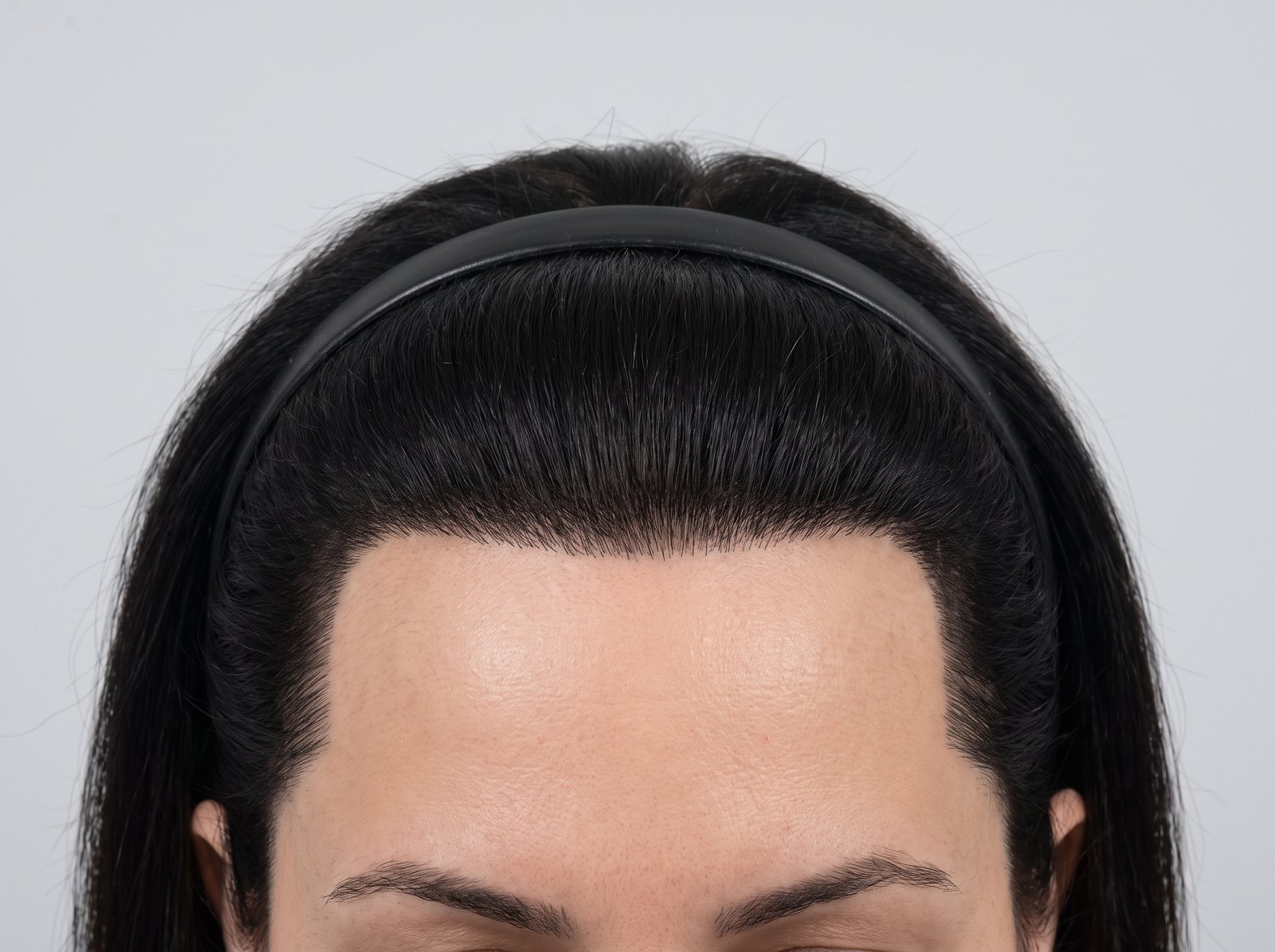
Natural female hairline — Illustrative example showing fine (vellus-like) hairs and an irregular transition along the front row Cause of female hairline revision — Illustrative example showing a harsh border caused by coarse hairs planted along the very front row Cause of female hairline revision — Illustrative example showing dot-like clumping caused by 2-hair follicular units placed in the front row Cause of female hairline revision — Illustrative example showing hairs splaying upward due to overly steep implantation angles Cause of female hairline revision — Illustrative example showing an artificial design shaped with straight lines and sharp right angles
Illustrative diagrams for explanation · Not actual patients
Natural result at Yoon Hairline Clinic — Female hairline beginning softly with fine (vellus-like) hairs
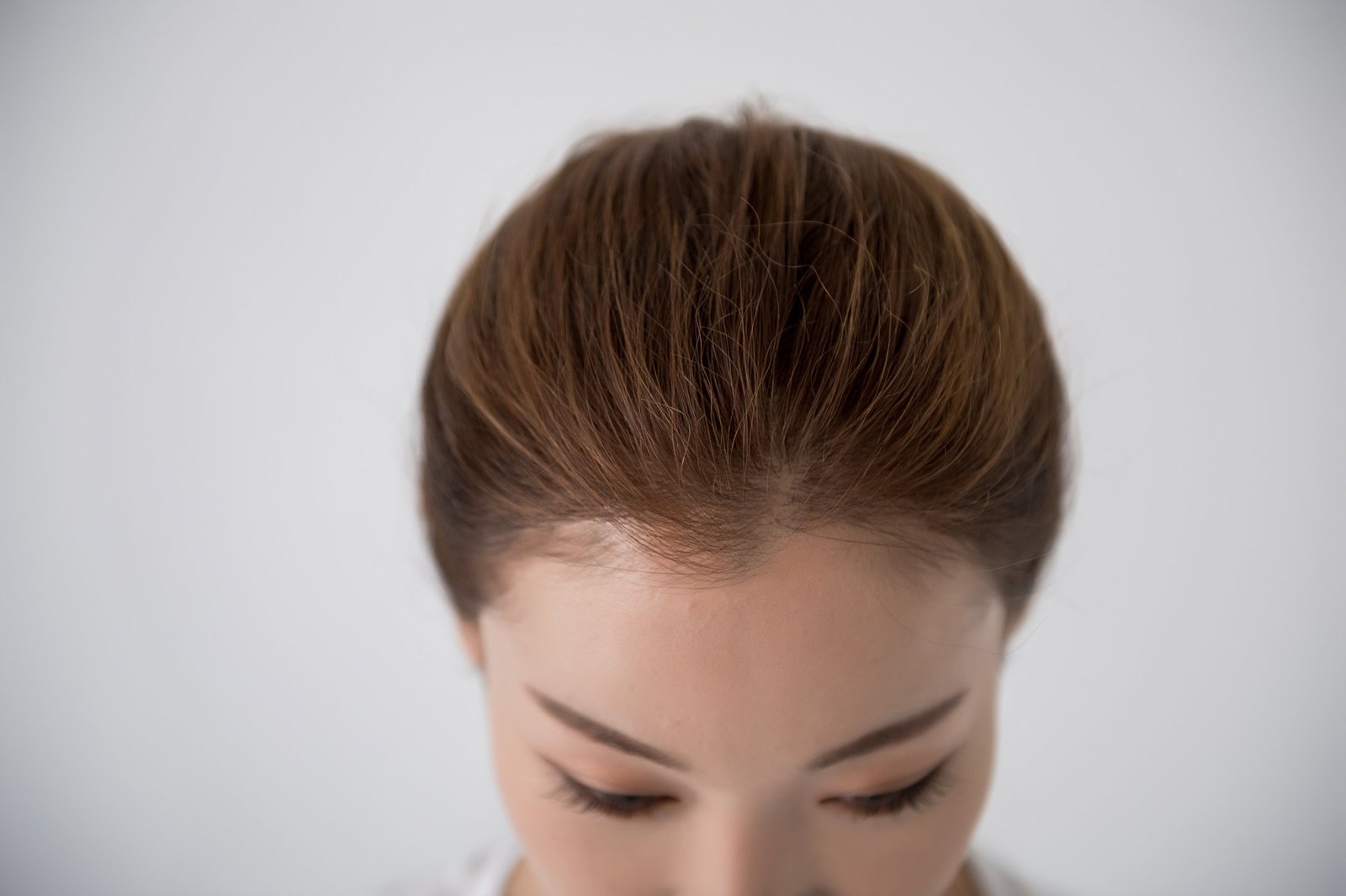
Natural Result at Yoon Hairline ClinicA hairline honoring all four principles—beginning softly along the front row with fine (vellus-like) hairs and gradually thickening toward the back. Individual results vary.

Using coarse hairs in the front row, placing 2-hair follicular units instead of single hairs, or implanting at steep upright angles to chase higher density numbers inevitably produces an artificial hairline—the three most frequent causes seen in female hairline revision consultations, with full female hairline standards detailed in Female Hairline Hair Transplantation.

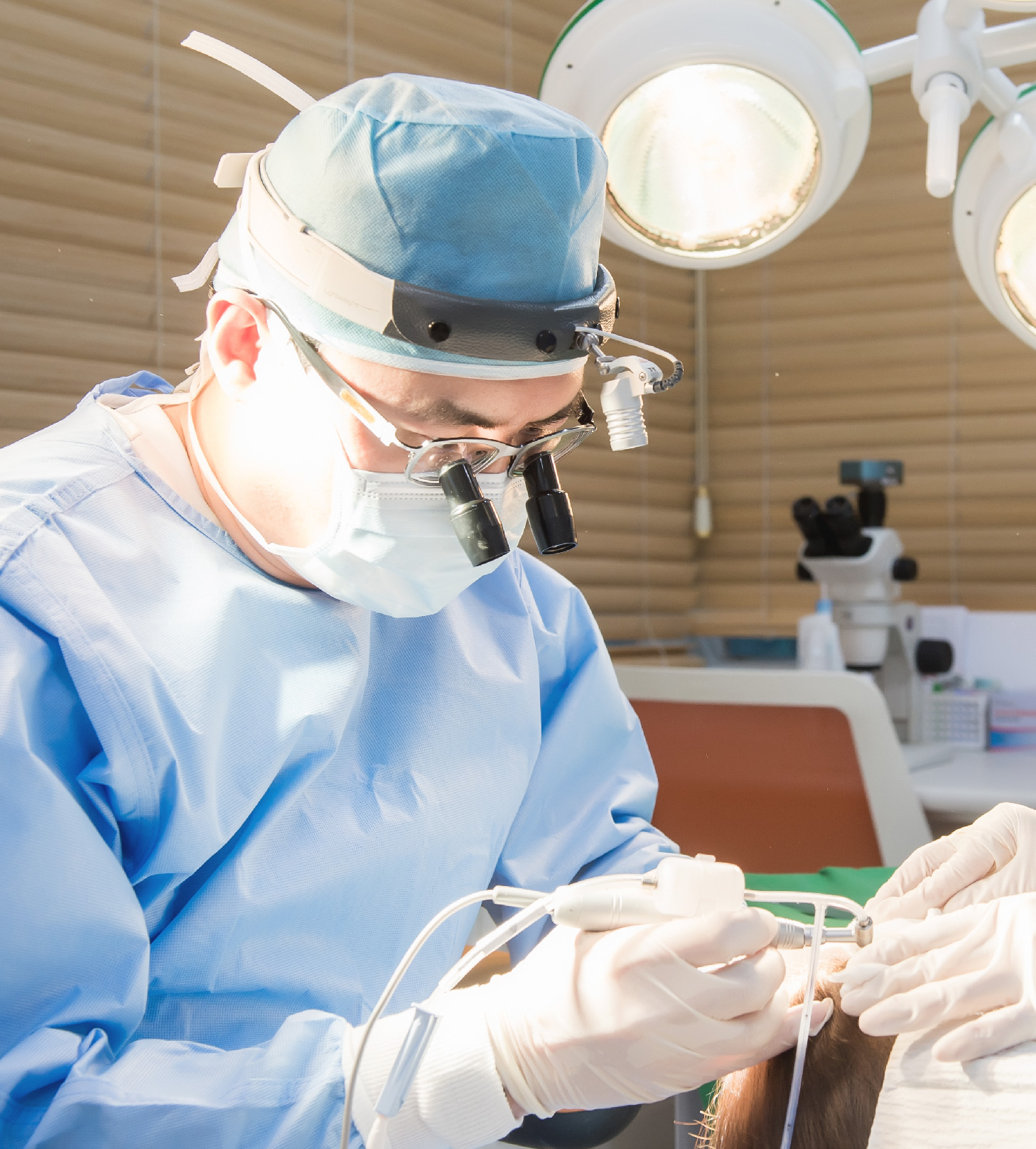
Dr. Sung Jae Yi performing revision surgery wearing surgical loupes
Revision Requires Every Skill Working Together

06Comprehensive Technique

Surgical Expertise Must Be Proven by Presentations and Papers, Not Claims

Succeeding in revision surgery requires combining expertise in female hairlines, FUE (non-strip) harvesting, fine hair selection, revision staging, and high-precision recipient-site slit technique.

Selective harvesting of fine hairs, ultra-low-angle recipient-site slits, and graft survival management in compromised scalp tissue—revision surgery fails if even one of these elements is missing, which is why Dr. Sung Jae Yi has spent over 20 years refining them and validating his work before fellow specialists through his 2014 FUE female hairline paper, 2018 implant-first revision presentation, and 2021 revision presentation.

There is no one-size-fits-all formula for revision surgery—customizing this multi-step process to each patient’s scalp condition is an expertise Dr. Sung Jae Yi has built over more than 15 years and continues to practice today.

Deciding what to remove first and what to implant later determines the outcome.

Precision surgical instruments used in revision hair transplantation
Precision Instruments
Chief Director's hands placing individual follicles one by one into recipient-site slits
Recipient-Site Slit Implantation
Surgical team performing revision hair transplantation in the operating room
Operating Room

FAQ

Frequently Asked Questions

What is the very first step in revision surgery?

It begins with diagnosing exactly what looks unnatural—evaluating hairline design, hair angle and direction, front-row shaft caliber, follicular unit types, scalp scarring, and remaining donor reserves before determining the surgical sequence.

Are removal and re-implantation performed on the same day?

It depends on the condition of your hairline: when unnaturalness is severe, removal is performed first followed by implantation roughly 4 weeks later, whereas when unnatural areas are limited, implant-first revision places new grafts first and selectively removes only necessary coarse hairs roughly 2 weeks later.

What is implant-first revision?

Presented at PRS KOREA 2018, implant-first revision leaves existing hairs intact initially while implanting fine hairs into the target three-dimensional hairline first, then selectively removes only truly unacceptable coarse hairs roughly 2 weeks later once new follicle engraftment is confirmed.

Why does the conventional approach require a second implantation stage?

Because Stage 1 grafts are placed into scalp tissue freshly traumatized by extraction, survival rates are lower—making a second stage necessary after evaluating Stage 1 growth to build density and refine naturalness.

Is everyone a candidate for implant-first revision?

It is best suited when unnatural areas are localized; when two or three improper prior surgeries have distorted most of the front hairline, the conventional removal-first protocol is the appropriate choice.

Why do female hairline revisions occur so frequently?

Most commonly because coarse hairs or 2-hair follicular units were placed along the front row to chase density, hairs were implanted at upright angles, or the hairline was shaped as a uniform straight or overly round outline.

Can hair be transplanted again into scarred or damaged scalp tissue?

Yes, though graft survival can be lower—so the scarcest ultra-fine hairs are reserved for a subsequent stage once graft survival is verified, staging treatment according to scalp condition.

How long does revision surgery take?

Duration varies depending on the extent of follicle removal and the number of hairs implanted, generally taking longer than a primary hair transplant.

When can the final outcome be judged?

After the transplanted hairs enter a resting (telogen) phase after surgery, new growth begins around 3 to 4 months and matures around the one-year mark, with individual variation.

ORDER MATTERS

Getting the Sequence Right Is Half the Battle

Deciding what to remove first and what to implant later—and choosing the right pathway based on the degree of unnaturalness—is a clinical judgment that is never built overnight.

Guided by expertise honed through over 20 years of surgical experience and continuous peer-reviewed research,
Dr. Sung Jae Yi personally performs every step from initial assessment to the very last hair.

Yoon Hairline Clinic · Chief Director Sung Jae Yi, M.D. (Diplomate of the American Board of Hair Restoration Surgery (ABHRS)) · 9F Mihye Building, 590 Gangnam-daero, Gangnam-gu, Seoul, South Korea · +82-2-517-7940
The procedural information on this page is provided as a general guide; applicability and results vary depending on each individual’s scalp condition. An accurate assessment requires an in-person clinical evaluation.

상담예약